
Snow near the driveway, slippery steps and wet boots can all affect how smoothly moving day runs. Whether you are leaving a house in Barrhaven, an apartment in Aylmer or a condo in central Ottawa, preparing access at both addresses gives your crew a better start.
At 6Thirteen Moving & Storage, we help you plan the details before moving day. This guide covers what to arrange, what to pack separately and what to tell our team ahead of your winter move.
1. Plan truck access at both homes
Check where the truck can safely park and how your furniture will travel between the entrance and the vehicle. Snowbanks can make a parking space or walkway narrower than it looks in summer.
- Keep the driveway and route to your entrance clear.
- Tell your movers about steep driveways, narrow lanes, low overhead clearance or a long walk from the parking area.
- If street parking is needed, check the current municipal parking restrictions for your moving date.
- For an apartment or condo, confirm loading arrangements with building management.
Send recent photos if access is difficult to describe. A photo of the driveway, entrance and steps helps the team plan before arriving.
2. Clear snow and treat slippery areas
Arrange snow clearing for both the pickup and delivery addresses. Clear the full carrying route, including outdoor stairs, landings and any side entrance being used. Check it again on moving morning, especially after overnight snow or freezing rain.
Use an appropriate traction product according to its instructions and make sure handrails are accessible. If you cannot prepare a safe route, contact the movers ahead of arrival so the next steps can be discussed. Avoid leaving snow clearing until the crew is at your door.
3. Prepare your entrances for wet weather
Remove shoes, bags and small furniture from hallways. Keep entrances well lit and tell your movers about delicate flooring or awkward thresholds before work begins.
Discuss floor protection with the crew. Loose towels, plastic sheets or unsecured mats in a carrying route can create a slipping or tripping hazard. Let the team arrange suitable protection while keeping the route clear.
Keep a few cleaning supplies accessible for after the move, rather than packing everything into a box that will be difficult to find.
4. Pack boxes so they can be carried securely
Use sturdy boxes with their tops and bottoms properly taped. Replace cartons that are damp, torn or weakening. Label each box with its destination room so the crew can place it without extra handling.
Have everything packed before the team arrives unless you have arranged packing help. Keep packed items indoors until the crew is ready to load them. Avoid setting cardboard boxes directly on snow or wet pavement.
Televisions need suitable protective boxes. Tell the team ahead of time if you need help with fragile items or packing materials, so availability and preparation can be confirmed.
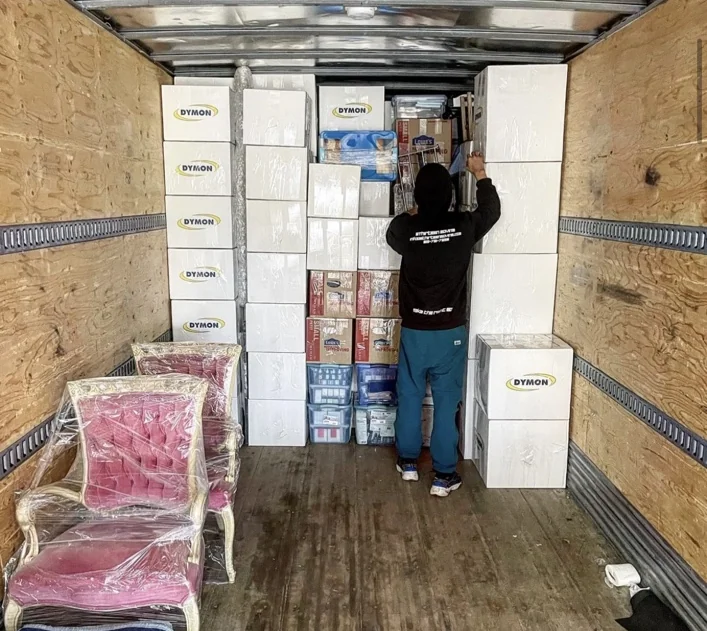
5. Set aside items that need special attention
Carry your keys, documents, valuables and essential personal items with you. Keep temperature-sensitive items according to their storage instructions. Follow the manufacturer’s guidance before powering on electronics after cold exposure.
Discuss plants with the team in advance because they can be sensitive to cold. Let your movers know about treadmills, large appliances and furniture that may need dismantling. This helps us plan the tools, crew and time required.
6. Confirm building access and elevator times
If you are moving into or out of a condo or apartment, book the moving elevator and confirm the building’s moving hours. Ask management about loading areas, entrance access and any protection or paperwork they require.
Share the exact elevator window with your movers before the day. If your pickup and delivery buildings both need reservations, the schedule needs to allow for loading, travel and unloading.
7. Leave room for changing conditions
Winter travel and loading can take longer when roads or entrances need extra care. Keep your phone available, share access changes promptly and avoid scheduling another time-sensitive appointment immediately after your expected finish.
Make sure utilities are active at the new home and entrances have working lights. Keep children and pets away from loading routes and open doors. A separate warm room or care with someone you trust can make moving day easier for everyone.
Your winter moving morning checklist
- Clear and check the carrying route at both addresses.
- Confirm truck parking and building access.
- Have keys, entry codes and elevator arrangements ready.
- Finish packing and label boxes by room.
- Keep boots, coats, chargers and essentials with you.
- Keep children and pets safely away from the work area.
- Tell your movers about new snow, ice or access problems.
For the weeks leading up to your move, use our Ottawa and Gatineau moving checklist.
Common winter moving questions
Can I move during winter?
Yes. Winter moves can be planned, but safe access and weather conditions matter. If conditions change, stay in contact with your moving company about the schedule and any adjustments needed.
Should I shovel before the movers arrive?
Yes. Arrange to clear snow and address ice at both locations before arrival. Include steps, landings and the path between the home and truck.
What should I tell the movers when requesting a quote?
Send your moving date, pickup and delivery addresses, inventory or photos, and details about stairs, elevators and parking. Mention large or complicated items and whether you need packing or dismantling help.
Planning your winter move?
6Thirteen Moving & Storage is a local family business serving Ottawa and Gatineau since 2017. Tell us about your home, belongings and access so we can help you plan your local move.
Have questions about your winter move? Call 6Thirteen Moving & Storage at 613-791-7996 or request your quote online.
Get Your Free Moving Quote